

What Carolina Hurricane Season Means For Cleanroom HVAC

Carolina hurricane season can test every weak point in a cleanroom HVAC system: power reliability, humidity control, pressure cascade stability, exhaust, make-up air, roof equipment, filters, alarms, and restart procedures. For cleanrooms in North and South Carolina, the goal is not only to “ride out the storm,” but to protect environmental control, document what happened, and restart only when the room is stable enough for its intended use. If you are planning, upgrading, or reviewing storm readiness for a controlled environment, our Carolina cleanroom services support that work from design through installation and lifecycle improvements.
Atlantic hurricane season runs from June 1 to November 30, with peak activity from mid-August to late October, according to the ReadyNC hurricane guide. For cleanroom owners, that means readiness work should happen before peak storm activity, not after the first forecast cone appears.
At A Glance
- Hurricanes affect cleanrooms through HVAC instability, not only physical damage.
- The biggest risks are power loss, humidity excursions, pressure loss, water intrusion, exhaust interruption, and uncertain restart.
- Storm readiness should include pre-season inspection, emergency operating modes, post-event trend review, and requalification triggers.
- Carolina facilities should align cleanroom procedures with local emergency guidance, utility realities, and site-specific risk.
Why Hurricane Season Matters For Cleanroom HVAC
Hurricane season matters because cleanrooms rely on mechanical stability. A conventional office can tolerate short-term comfort drift. A cleanroom may not, especially if the space supports sterile processing, sensitive manufacturing, laboratory work, or controlled storage. When HVAC performance changes, the room’s pressure relationships, humidity, airflow, and recovery behaviour can change with it.
The most important point is simple: a cleanroom can look physically intact after a storm and still be out of control. If pressure was lost, humidity spiked, roof equipment was damaged, or the BMS rebooted without a reliable event record, the room may need inspection, stabilization, documentation, and risk-based verification before use.
Cleanrooms Depend On Stable HVAC Conditions
Cleanrooms depend on HVAC to maintain controlled airflow, filtration, pressure relationships, temperature, and humidity. Those conditions support the room’s intended use and help reduce contamination risk. During hurricane season, the HVAC system can be stressed by power interruptions, high outdoor moisture, wind-driven rain, blocked intakes, exhaust interruptions, and building envelope leaks.
A short disruption can still matter. If the room loses pressure cascade, runs without exhaust, or drifts outside humidity limits, the issue may not be visible immediately. That is why cleanroom hurricane planning should focus on evidence: what happened, for how long, what was affected, and what was verified before restart.
Carolina Facilities Face Wind, Rain, Flooding, And Utility Risk
North and South Carolina facilities can be affected by coastal storms, inland flooding, tropical storm winds, tornadoes, power interruptions, and limited site access after a storm. The state’s South Carolina hurricane safety guidance notes that hurricanes can bring high winds, tornadoes, heavy rains, flooding, and storm surge along the coast, and that South Carolina is vulnerable to all types of hurricane hazards.
For cleanrooms, the practical risk is not limited to coastal damage. An inland facility may still experience high humidity, utility interruptions, roof leaks, blocked service access, delayed vendor response, or building pressure changes caused by wind and rain. Those conditions can affect HVAC stability long before visible damage appears inside the cleanroom.
The Facility Goal Is Controlled Continuity Or Controlled Recovery
Not every cleanroom can or should remain in full operation through a hurricane event. Some facilities may need continuity planning for critical operations. Others may need a controlled shutdown and restart plan because staff safety, power capacity, exhaust, humidity control, or monitoring cannot be guaranteed during the event.
The right approach depends on the process, regulatory environment, backup power, staff availability, and what conditions must be maintained to protect materials, product, equipment, or containment. The goal is not to promise uninterrupted operation. The goal is to define controlled continuity where it is feasible, and controlled recovery where shutdown is the safer choice.
Hurricane Season HVAC Risks At A Glance
Use this table as a planning tool before storm season. It connects common hurricane-season risks to cleanroom HVAC impact and the planning steps that usually matter most.
| Risk Area | What Can Happen During A Storm | Cleanroom Impact | What To Plan |
| Power Loss Or Voltage Instability | HVAC, controls, exhaust, monitoring, or BMS may shut down or reset | Pressure loss, temperature/humidity drift, loss of trends | Backup power strategy, safe shutdown, restart checklist |
| High Outdoor Humidity | Make-up air load increases, cooling/dehumidification may struggle | Humidity excursions, condensation risk, material effects | Coil capacity review, humidity alarms, trend review |
| Exhaust Or Make-Up Air Disruption | Fans, louvers, dampers, or exhaust paths may be affected by wind or power | Pressure cascade instability, containment/protection risk | Fan status alarms, airflow trend review, safe modes |
| Roof And Envelope Leaks | Wind-driven rain or roof drainage issues can introduce moisture | Ceiling damage, mould risk, compromised cleanability | Pre-season roof/envelope inspection, water response plan |
| Filter Loading Or Water Exposure | Debris, moisture, or system upset can affect filters | Higher pressure drop, airflow change, contamination risk | Filter dP trending, inspection and replacement criteria |
| BMS Alarm Flooding | Door events, outages, resets, and unstable control loops create alarms | Alarm fatigue, unclear event history | Alarm hierarchy, delay logic, event records |
| Access And Staffing Limits | Staff or service providers may not reach the site | Delayed response and delayed restart | Remote visibility, escalation path, parts and spares |
How To Use This Table During Planning
Use the table to decide which storm risks apply to your facility before hurricane season starts. A coastal South Carolina cleanroom with rooftop units and high outside-air demand may need a different plan than an inland North Carolina facility with stronger utility risk and limited post-storm access.
The table should also guide ownership. Facilities may own equipment inspection, alarms, backup power coordination, and restart checks. QA may own deviation rules, release decisions, and requalification triggers. Operations may own product hold decisions, room access, material movement, and staffing assumptions.
A useful planning review should end with clear actions. Decide what gets inspected before storm season, what system modes are available during storm preparation, what trends must be retained, and what evidence is required before the room returns to controlled work.
Power Continuity And Cleanroom Restart Risk
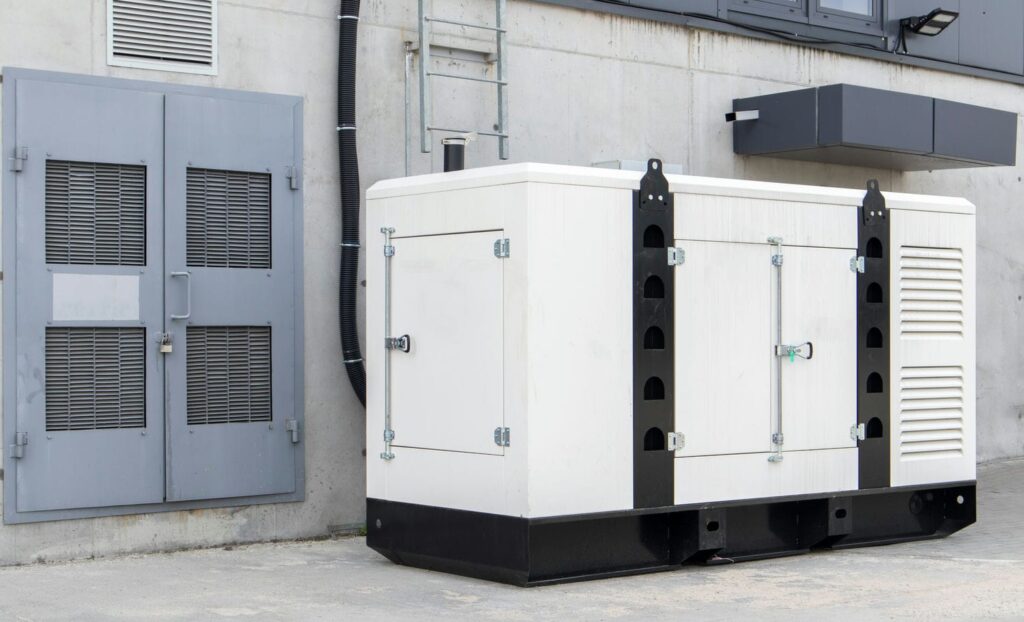
Power continuity is often the first concern, but the restart is just as important. A cleanroom may lose HVAC power for minutes or hours, or it may experience partial power where some systems return before others. In those cases, the facility needs a defined path from disruption to stable operation.
Power restoration alone does not prove room recovery. The room may need time to restore pressure, temperature, humidity, airflow, and monitoring visibility before it supports its intended use.
What Happens When Cleanroom HVAC Loses Power
When cleanroom HVAC loses power, supply fans, exhaust fans, controls, dampers, monitoring systems, and BMS trend collection may shut down or reset. The room can lose pressure relationships, air changes, temperature control, humidity control, and alarm visibility.
Even a short interruption can matter if the cleanroom supports sensitive materials, sterile operations, controlled storage, or containment. The key question is not only whether power returned. The key question is whether the room returned to a documented, stable state that matches the operating requirements.
Backup Power And Load Prioritization
Backup power planning should identify which cleanroom loads are critical. These may include supply fans, exhaust fans, controls, BMS or EMS systems, critical monitoring, lighting, access control, and any equipment needed to protect product, materials, or containment. Not every load can be treated as equally critical.
A tiered load review helps. Systems that maintain containment, pressure relationships, or material protection should be assessed differently from comfort-only loads. If backup power is limited, define safe shutdown, safe hold, and restart conditions before storm season.
This review should include what happens during transfer to generator power and what happens when normal power returns. Restart sequencing matters because supply and exhaust systems may not restore in the order required to maintain the intended pressure cascade.
Safe Shutdown Vs Ride-Through Operation
Some rooms may be designed for ride-through operation with backup power and controlled emergency modes. Others may be safer with a controlled shutdown that protects equipment, materials, and records. The right decision depends on process risk, infrastructure, staff safety, and the room’s ability to maintain required conditions.
“Stay online” is not always the safer choice. A room operating on partial power without stable exhaust, pressure control, humidity control, or reliable alarms may create more risk than a documented shutdown. Define the decision criteria before the event, so storm response does not rely on improvised judgment.
Humidity, Condensation, And Moisture Control During Storm Season
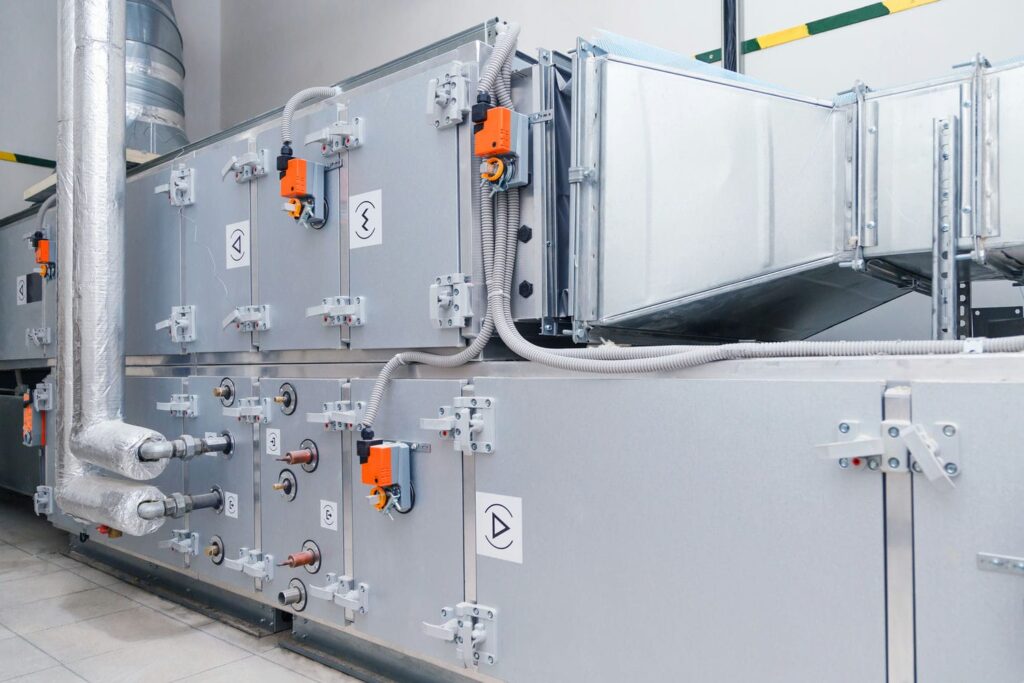
Humidity is one of the most important cleanroom HVAC risks during hurricane season. Storm conditions can raise outdoor moisture load while also stressing the systems that remove that moisture. If cooling coils, dehumidification, controls, or make-up air systems are already near their limits, tropical conditions can push the room out of range.
Moisture risk is also harder to see than a roof leak. The room may recover in temperature while humidity remains high, or hidden moisture may appear above ceilings, around penetrations, or inside equipment areas after the storm passes.
Why Humidity Becomes A Cleanroom Risk
Humidity drift can affect materials, static control, equipment performance, process stability, cleaning, and staff comfort. In some cleanrooms, high humidity can also create condensation risk on cold surfaces, ductwork, diffusers, ceiling systems, or adjacent spaces.
Condensation is especially important because it can create follow-up cleanability and remediation concerns. If moisture affects finishes, ceiling systems, HEPA housings, or interstitial areas, the restart plan should include inspection and documentation before the room is returned to service.
How Storms Stress Make-Up Air And Cooling Systems
Storm conditions can increase latent load while affecting the equipment that manages that load. Outdoor air intakes, louvers, coils, drain pans, condensate drains, control sensors, and insulation may all be stressed by wind-driven rain, debris, and rapid swings in outdoor conditions.
Make-up air systems deserve special attention because they can carry high moisture loads into the building. A baseline understanding of how air handling and HVAC systems work together helps clarify which components are most stressed during storm conditions.
What To Check Before Peak Season
Before peak hurricane season, review cooling and dehumidification performance, condensate drains, drain pans, coil condition, insulation, humidity sensor calibration, humidity alarm logic, and prior trend data from high-humidity periods. Look for signs of slow drainage, sweating surfaces, recurring high-humidity alarms, or rooms that recover slowly after door activity.
The goal is not to over-test everything. The goal is to find weak points before the room is under storm load. A pre-season review gives facilities time to repair drains, replace weak components, adjust alarm routing, order spares, and tune controls before weather becomes the constraint.
Pressure Cascades, Exhaust, And Make-Up Air Under Storm Conditions
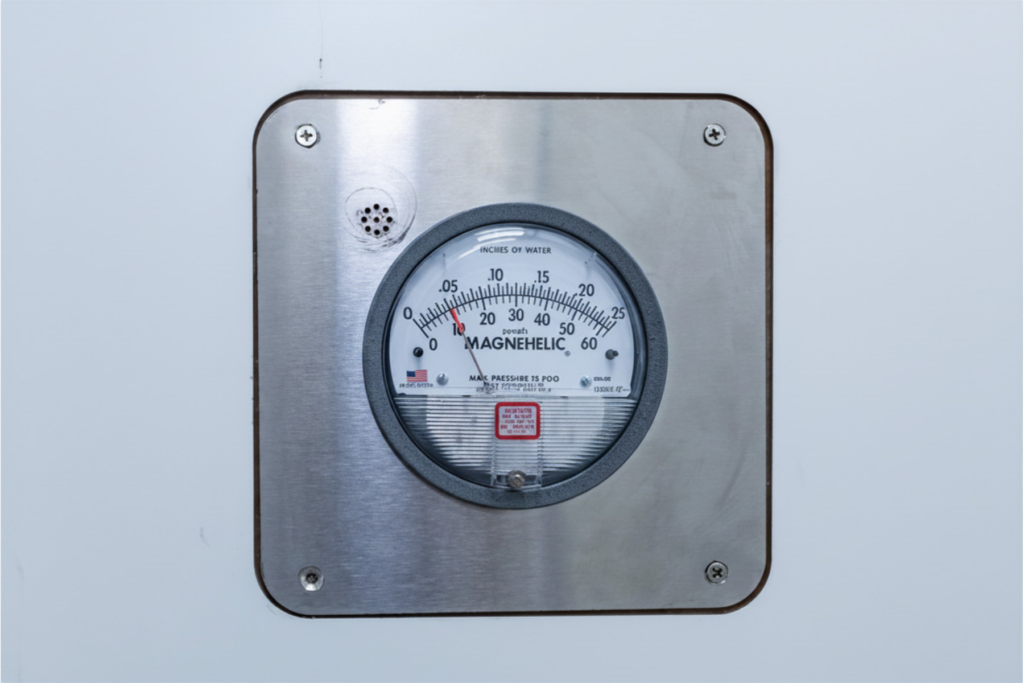
Pressure cascade stability is a cleanroom performance issue and a storm resilience issue. Wind, power interruptions, door activity, exhaust imbalance, and make-up air changes can all shift pressure relationships. When pressure relationships drift, airflow direction may change between rooms.
That matters because pressure strategy supports product protection, containment, or both. During storm conditions, the HVAC system may be asked to maintain control while the building envelope, outdoor conditions, and staff movement are all less predictable than usual.
Why Pressure Relationships Can Drift During Storms
Pressure relationships can drift when supply airflow, exhaust airflow, make-up air, door operation, or building pressure changes. High winds may affect building pressure and exterior equipment. Power interruptions may cause supply and exhaust systems to stop or restart out of sequence.
For cleanrooms, pressure drift matters because it can change airflow direction between spaces. That can weaken product protection in positive-pressure rooms or containment in negative-pressure rooms. A temporary pressure reversal may need investigation if it affects the room’s intended control strategy.
Exhaust And Make-Up Air Balance
Exhaust and make-up air balance is critical for cleanrooms with containment requirements, high exhaust loads, or strict pressure cascades. If exhaust stops while supply continues, or supply returns before exhaust, the room may temporarily behave opposite to its design intent.
Before storm season, review fan restart sequences, damper fail positions, airflow alarms, BMS status points, and interlocks. The control system should make it clear whether supply and exhaust restored in the correct order and whether the room returned to stable pressure relationships.
Door Events, Airlocks, And Staff Movement
During storm preparation and recovery, door activity often increases. Staff may move materials, protect equipment, inspect rooms, access utilities, or stage supplies. Those activities can disturb pressure relationships when the HVAC system is already stressed.
Simple controls help. Limit unnecessary entries, define storm-mode access rules, coordinate material movement, and avoid using airlocks as general staging areas. If the room must remain controlled, staff movement should be planned as carefully as mechanical response.
Roof Equipment, Intakes, Drains, And Building Envelope Checks
Storm readiness is not only inside the cleanroom. Rooftop units, exhaust fans, louvers, ducts, roof penetrations, drains, and exterior electrical components all support indoor control. If they fail, the cleanroom may lose stability even when the room itself looks undamaged.
A pre-season inspection should look at the cleanroom as part of the building system. The HVAC equipment outside the room and the envelope around it are part of the cleanroom’s performance boundary.
Rooftop And Exterior Equipment
Rooftop units, exhaust fans, exterior ducts, hoods, louvers, and exposed electrical components should be inspected before hurricane season. Loose panels, corroded fasteners, damaged seals, worn vibration supports, clogged screens, or missing covers can become storm vulnerabilities.
For cleanroom HVAC, exterior damage becomes an indoor control problem. A damaged intake, exhaust path, roof curb, or roof penetration can affect pressure stability, humidity control, filtration, airflow, and cleanability. These issues may not be visible from the cleanroom floor.
Outdoor Air Intakes And Exhaust Discharge
Outdoor air intakes should be reviewed for rain entrainment, debris risk, drainage, filtration loading, and location relative to flood or wind exposure. Exhaust discharge points should be checked for secure mounting, drainage, backdraft risk, and clear discharge paths.
The practical question is direct: can air enter and leave the building as designed under severe weather conditions? If the answer depends on exposed equipment, weak drains, or unclear controls, the facility should address those gaps before peak storm activity.
Roof Drainage, Ceiling Risk, And Water Intrusion
Roof drains, scuppers, gutters, flashings, and roof penetrations matter because water intrusion can quickly become a cleanroom shutdown issue. Ceiling leaks can affect finishes, lighting, HEPA housings, ceiling grids, insulation, electrical components, and above-ceiling spaces.
If storm water enters a cleanroom or support area, restart should not be automatic. The room may need inspection, cleaning, remediation, documentation, and risk-based verification before controlled work resumes. The plan should define who evaluates cleanability, who approves return to service, and what evidence is required.
BMS Alarms, Trending, And Storm-Mode Operation
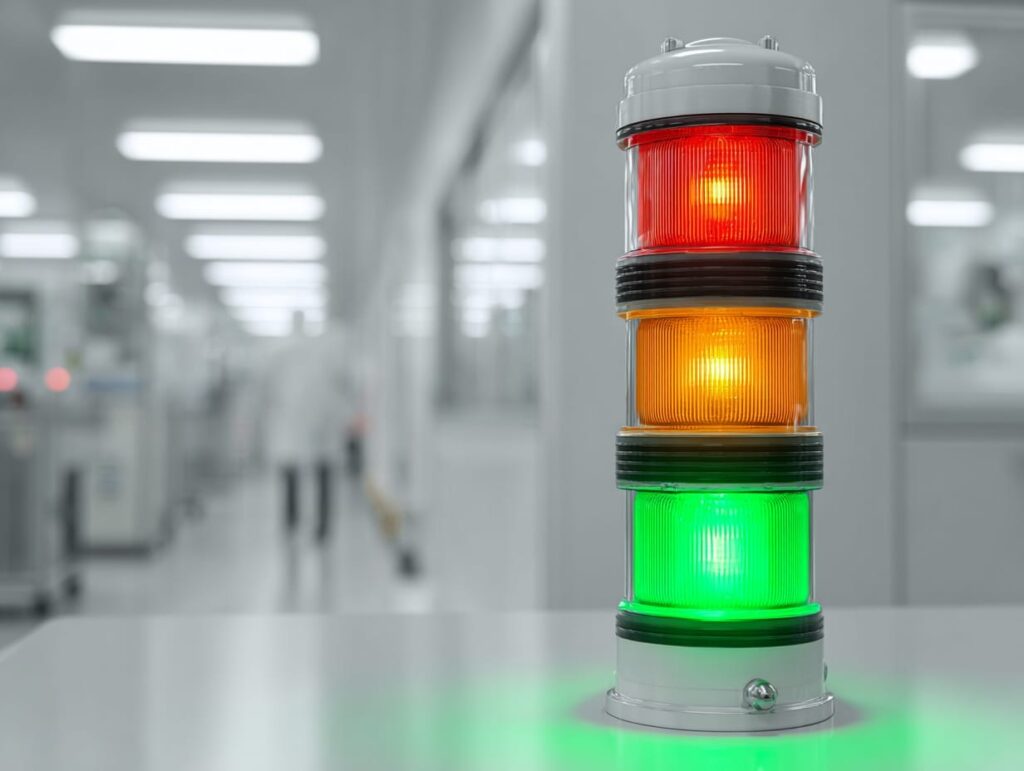
A cleanroom BMS can either clarify a storm event or bury the team in alarms. The difference is alarm strategy, trend retention, and defined room modes. Before hurricane season, the BMS should be reviewed as part of storm readiness, not only as a maintenance interface.
During and after a storm, trend data may become the best evidence of what happened. It can show when pressure was lost, how long humidity was out of range, whether fans restarted correctly, and whether the room stabilized before use.
Alarm Strategy Before The Storm
Storm events can create alarm floods: pressure alarms, humidity alarms, equipment status alarms, communication losses, door events, power resets, and unstable control loop alarms. If every alarm has the same priority, teams may miss the alarms that require immediate action.
Before storm season, review alarm priorities, notification paths, after-hours escalation, alarm delays, and which alarms trigger QA notification or shutdown decisions. A well-defined BMS controls strategy should separate early warning, true action, nuisance conditions, and quality-critical events.
Trend Data That Helps After The Storm
Trend data can show when the room left its normal state and how it recovered. Useful storm-related trends include differential pressure, temperature, relative humidity, fan status, exhaust status, damper position, filter differential pressure, door events, room modes, and alarm states.
Without trend data, teams often rely on memory, incomplete alarm logs, or manual notes. That slows restart decisions and weakens investigations. The BMS should retain enough useful history to support post-event review, not just current-point displays.
Storm Mode, Recovery Mode, And Readiness Status
A cleanroom BMS can support defined operating modes such as normal, storm preparation, shutdown, recovery, and ready-for-use. These modes help staff understand whether the room is available for controlled work or still stabilizing.
Emergency and setback modes need restore logic. A room should not move from “recovery” to “ready” unless defined conditions are met and documented. Those conditions may include pressure stability, humidity recovery, temperature control, alarm clearance, and inspection status.
Pre-Season Cleanroom HVAC Readiness Checklist
A pre-season checklist should be completed before peak hurricane season, not when a storm is already approaching. Preparedness activities become difficult once winds reach tropical storm force, so cleanroom readiness should be reviewed early enough to repair issues, order parts, and align internal responsibilities.
The checklist should include mechanical systems, controls, documentation, operations, and QA. Cleanroom hurricane readiness is cross-functional because HVAC, procedures, monitoring, staffing, and restart approval all affect the final risk.
HVAC And Mechanical Checks
Mechanical checks should confirm that supply and exhaust fans are ready, belts and bearings are in good condition, dampers move correctly, VFDs and control valves respond as expected, and critical filters are within acceptable differential pressure ranges. Spare filters should be reviewed, especially if supply chains or site access may be disrupted after a storm.
Condensate drains, drain pans, coils, insulation, and humidity-control components should also be inspected. Outdoor air intakes and exhaust discharge points should be checked for security, drainage, debris risk, and exposure. Roof equipment, seals, fasteners, panels, and safe service access should be reviewed before weather limits access.
Controls, Alarms, And Documentation Checks
Controls checks should include sensor calibration status, alarm routing, notification lists, BMS trend retention, power reset behaviour, room mode logic, and post-outage restart sequences. Confirm that critical alarms reach the right people, including after hours.
Documentation checks should include emergency contact lists, equipment lists, critical spare parts, shutdown procedures, restart checklists, deviation workflows, and escalation paths. If the cleanroom requires QA review before restart, that approval pathway should be defined before the event.
Operations And QA Readiness Checks
Operations and QA should define when a room can continue, when it must hold, and when it must stop. Criteria should include material protection, room access, cleaning, environmental excursions, post-storm inspection, BMS review, and release back to use.
This is where many facilities find gaps. Facilities may know how to restart equipment, but QA may need evidence before the room can be used. Operations may need a hold plan for work in progress. Align those decisions before storm season so the restart path is clear.
What To Do During A Storm-Related HVAC Disruption
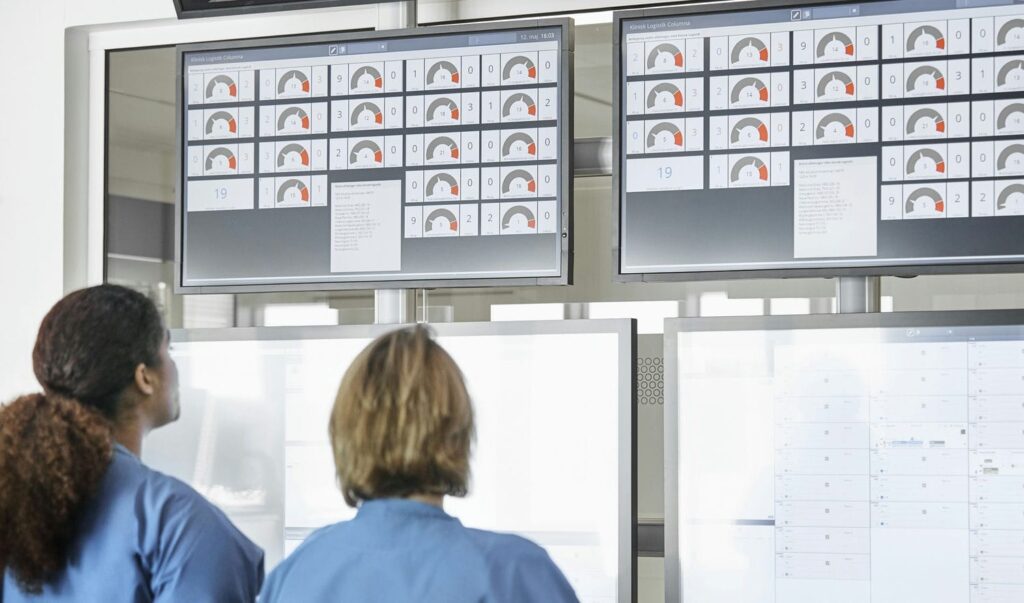
During a storm-related HVAC disruption, response should be calm, documented, and safety-led. Facilities should not put staff at risk to preserve a room state. The cleanroom plan should account for delayed access, remote visibility where available, and controlled decision-making.
Once people are safe, the process question is whether the room stayed within required conditions and what was affected if it did not. That requires a timeline, not just a final status.
First Response: Protect People, Then The Process
The first priority during a storm is always life safety and official guidance. If travel is unsafe, roads are flooded, evacuation is ordered, or access is restricted, cleanroom checks may need to wait. Threats can continue in the hours after a storm, including downed trees, power lines, and flooded roads, so unnecessary travel should be avoided until conditions stabilize.
After people are safe, protect the process where possible. That may mean placing material on hold, stopping work, confirming system status remotely, or documenting that room conditions were lost. The plan should avoid putting staff in unsafe conditions to collect data that the BMS or event records can capture.
Record The Event Timeline
The event timeline should capture power interruptions, HVAC shutdowns, pressure losses, humidity or temperature excursions, alarms, door openings, manual interventions, maintenance actions, and when systems returned to stable operation. This timeline becomes the foundation for QA review and restart decisions.
BMS trends, alarm logs, operator notes, and maintenance records should be aligned. Conflicting timelines create avoidable investigation work. A clear timeline helps the team decide whether the room stayed in control, lost control briefly, or needs broader verification.
Avoid Uncontrolled Restarts
A cleanroom should not restart just because equipment powers back on. The room should restart through defined checks: equipment status, pressure stability, temperature and humidity recovery, visible inspection, filter status, BMS alarms, and any quality or process-specific criteria.
Uncontrolled restart is one of the biggest avoidable risks after a storm disruption. It can create a false sense of recovery while the room is still stabilizing or while hidden equipment, moisture, or trend issues remain unresolved.
Post-Storm Restart, Monitoring, And Requalification
Post-storm restart should be treated as a controlled return to service. The path depends on what happened during the event. A minor alarm with no loss of room conditions may require trend review and documentation. Water intrusion, extended power loss, HVAC repair, or sustained pressure loss may require deeper inspection, added monitoring, or requalification.
The point is not to overreact to every storm event. The point is to use documented risk to decide what evidence is needed before the room returns to its intended use.
Inspect Before Returning To Service
Post-storm inspection should look for water intrusion, roof or ceiling damage, damaged filters or housings, abnormal equipment noise, blocked intakes, exhaust issues, condensate problems, sensor faults, and any changes that could affect cleanability or airflow.
The inspection should include both the cleanroom and the systems supporting it. A clean interior does not prove that rooftop equipment, ductwork, exhaust fans, controls, drains, or above-ceiling spaces are still operating correctly. Supporting systems are part of the room’s control boundary.
Stabilize, Trend, And Document
After inspection, the room should be allowed to stabilize under defined operating conditions. Teams should review trends for pressure, humidity, temperature, fan status, alarm status, and recovery behaviour before deciding whether the room is ready for controlled use.
If a storm-related event affects airflow, pressure, humidity, filtration, room use, or the qualified state, an ISO 14644-2 monitoring and requalification plan provides the framework to decide what verification is required. That keeps the response risk-based and consistent instead of reactive.
When A Storm Event Should Trigger Requalification
Requalification or added verification may be required after extended power loss, sustained pressure loss, water intrusion, filter replacement, HVAC repairs, control sequence changes, roof equipment damage, or any event that could affect the room’s qualified state.
The decision should be based on documented conditions, intended use, risk, and the site quality system. In some cases, targeted verification is enough. In others, the room may need broader testing before it can be released back to use.
Plan Carolina Cleanroom HVAC For Hurricane Season With Fewer Surprises
Carolina hurricane season is a cleanroom HVAC planning issue, not only a weather issue. The facilities that recover best are the ones that define critical loads, control modes, alarm strategy, humidity response, restart checks, and requalification triggers before a storm disrupts operations. That planning helps reduce downtime, improve QA confidence, and give teams a clearer path back to stable operation.
ACH Engineering supports cleanroom design and installation across North and South Carolina with integrated in-house engineering across architectural, mechanical, HVAC, and electrical disciplines, turnkey cleanroom design, supply, and installation, and experience delivering ISO- and GMP-aligned controlled environments. If you are reviewing hurricane-season readiness for a new or existing cleanroom, our Carolina cleanroom services are a good starting point.
Frequently Asked Questions
It depends on the process, backup power, staff safety, HVAC capacity, and quality requirements. Some rooms may operate through defined emergency modes, while others should follow a controlled shutdown and restart plan.
Document the event timeline, power interruptions, pressure loss, humidity or temperature excursions, alarms, door events, maintenance actions, inspection findings, stabilization evidence, and restart approval.
Requalification or added verification may be needed after extended power loss, sustained pressure loss, water intrusion, HVAC repairs, filter replacement, control changes, or any event that could affect the room’s qualified state.
A BMS can show pressure, humidity, temperature, fan status, alarms, door events, room modes, and recovery trends, helping teams understand what happened and whether the room has returned to stable conditions.
The biggest mistake is assuming that power restoration means the cleanroom is ready. The room still needs inspection, stabilization, trend review, and risk-based release back to use.
GET IN TOUCH
Complete the form below to get in touch with our team.