

HEPA Vs ULPA Filters: Selection, Efficiency, And Pressure Drop In Cleanroom HVAC

HEPA and ULPA filters both support cleanroom particle control, but they differ in efficiency class, typical use cases, and the pressure drop they add to your HVAC system. The right choice depends on your cleanliness target, process risk, airflow strategy, and lifecycle cost, not just “highest efficiency.” This guide breaks down selection, efficiency ratings, and pressure drop impacts through a controlled environment engineering lens.
If you are selecting terminal filters for a new cleanroom, upgrading filtration under change control, or troubleshooting airflow stability after a retrofit, filter choice can shape performance and operating cost for years. A filter decision that looks simple on paper can create real-world issues like fan capacity limits, higher energy draw, noise, and harder balancing.
Quick Takeaways
- HEPA vs ULPA is a tradeoff between efficiency class and system impact, especially pressure drop and loading behaviour.
- Pressure drop matters twice: day one and end of life when filters load.
- Your specification should lock the test standard, efficiency class, rated airflow, and allowable resistance so bids stay comparable.
HEPA Vs ULPA In Cleanroom HVAC: The Practical Difference
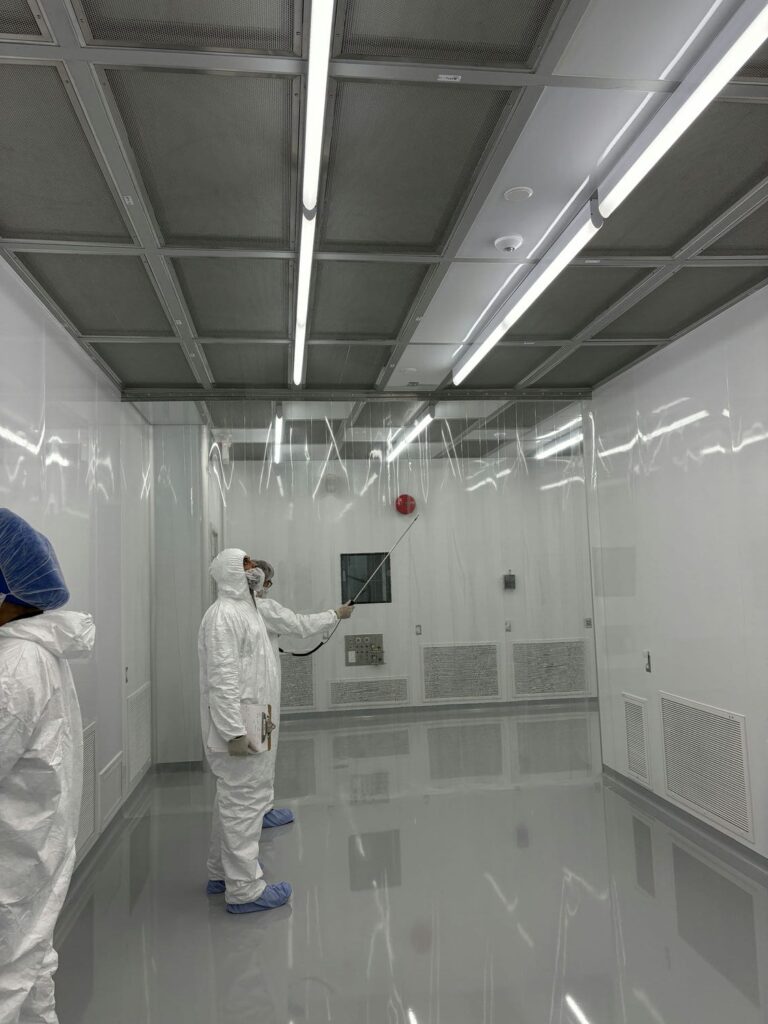
In cleanroom HVAC, HEPA and ULPA are not marketing terms you can leave vague. They are performance categories that must be tied to a specific standard and a real operating condition. If you do not define that clearly, you risk buying filters that are not comparable and then trying to fix the gap in the field.
The practical difference shows up in three places: how you specify efficiency, how much resistance you introduce into the system, and how stable the airflow remains as filters load.
What HEPA Usually Means In HVAC Specifications
In many HVAC specifications, “HEPA” refers to high-efficiency final filtration used to achieve low particle concentrations in critical spaces. In cleanrooms, HEPA often appears as terminal filters, fan filter units (FFUs), or final filters in air handling systems depending on how the room is designed.
The key point is that “HEPA” alone is not a complete requirement. Different standards and classes exist, and suppliers may interpret “HEPA” differently unless you state the efficiency class and test framework. Clear specs protect performance and keep procurement aligned with what you actually need.
What ULPA Adds Compared To HEPA
ULPA filtration generally targets a higher efficiency class than HEPA. It is commonly considered when you have tighter contamination risk controls, more sensitive processes, or a requirement that drives higher performance at the filter level.
That added efficiency often comes with design consequences. You may see higher resistance, more sensitivity to installation quality, and a narrower operating window if your fan capacity or ceiling grid constraints are tight. ULPA can be the right choice, but it should be chosen because the process needs it and the HVAC system can support it.
Why “Higher Efficiency” Is Not Automatically The Best Choice
Higher efficiency does not automatically mean lower risk if the HVAC system cannot deliver stable airflow over time. If a higher-resistance filter pushes your fan outside its efficient range, you can end up with airflow drift, recovery issues, or pressure cascade instability as the filter loads.
A better approach is to select the filter class that meets the requirement with a stable, maintainable HVAC design. That means looking at efficiency and pressure drop together, then planning monitoring and replacement so performance does not degrade silently between qualifications.
Where HEPA And ULPA Fit In A Typical Cleanroom Filtration Strategy
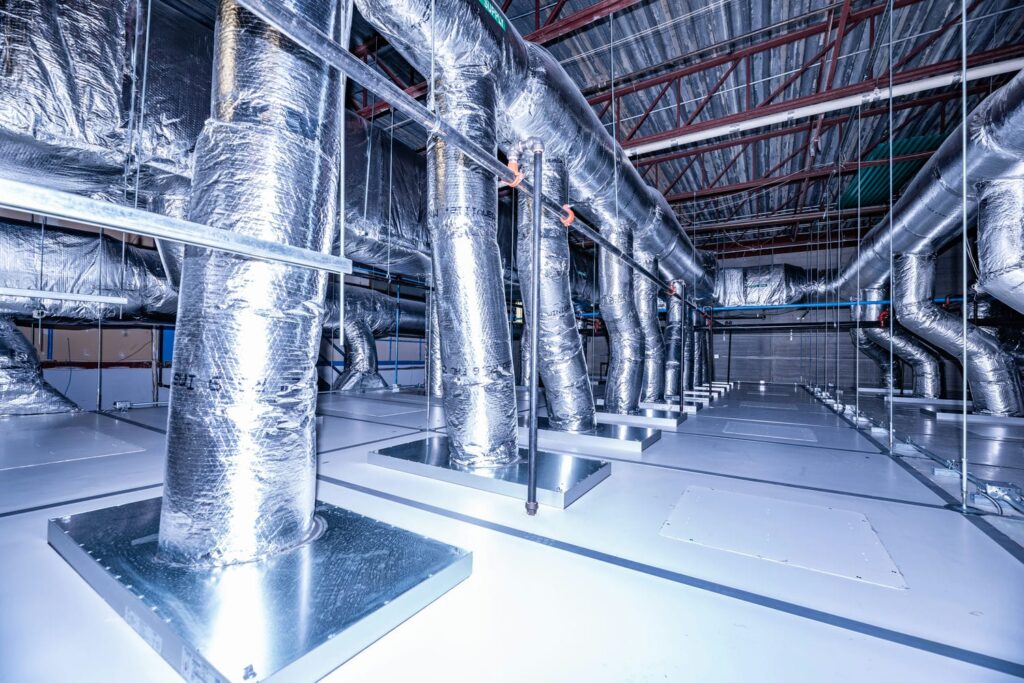
Filtration is a system, not a single component. The final filter gets most of the attention because it sits closest to the cleanroom, but upstream filtration often controls the cost and stability of the whole approach. If upstream filtration is weak, final filters load faster, pressure drop rises quicker, and you fight the system more often.
A strong strategy starts by staging filtration to protect the final filters, then delivering air in a way that supports the room’s airflow pattern and risk profile.
Pre-Filters, Intermediate Filters, And Final Filters
Most cleanroom HVAC systems use staged filtration: pre-filters remove larger particles, intermediate filters reduce the load further, and final filters (HEPA or ULPA) polish the air to the required level. This staging protects your final filters and extends their useful life.
Staged filtration is also a stability tool. When you reduce how quickly the final filter loads, you reduce how quickly pressure drop rises. That helps maintain airflow and pressurisation targets with fewer control swings, fewer rebalances, and fewer surprises during routine operation.
Terminal Filters Vs Centralized Final Filtration
Terminal HEPA or ULPA filters are common in cleanrooms because they deliver filtered air close to the point of use and reduce the risk of downstream contamination. They can also make it easier to align clean air delivery with the room’s airflow pattern when the ceiling grid supports the design.
Centralized final filtration can make sense in some designs, but it introduces different maintenance and verification considerations. You need to confirm what is downstream of the final filter, how you protect ductwork cleanliness, and how you plan integrity testing and downtime. In many cases, terminal filtration provides clearer control of where filtered air enters the space.
Filters, Airflow Patterns, And Contamination Risk
Filter efficiency alone does not protect a process if airflow delivery is unstable or poorly directed. The cleanest air still needs to reach the critical zone in a predictable way, and it needs to sweep contaminants away from exposed product and critical surfaces.
When you evaluate HEPA vs ULPA, you should also ask whether the system can maintain the airflow pattern your process needs under real operating conditions, including filter loading and normal room activity. If you want context on how airflow behaviour ties directly to contamination risk, start with cleanroom airflow fundamentals.
Efficiency Ratings And Standards: How To Compare HEPA And ULPA Correctly
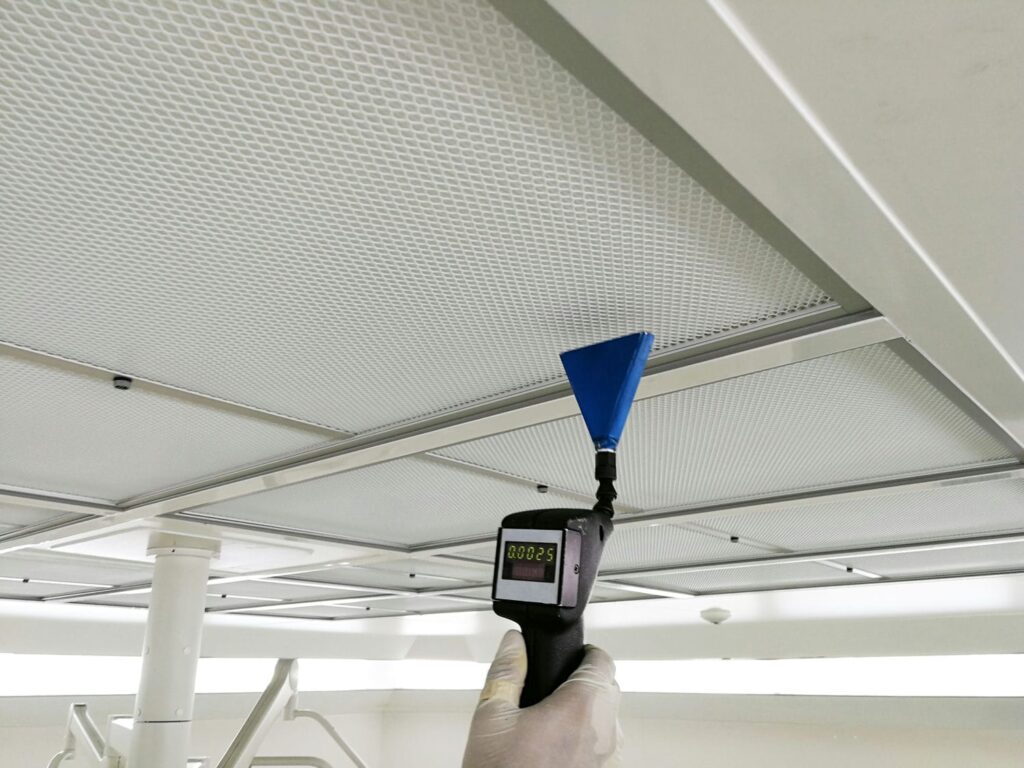
Efficiency comparisons can go sideways when teams compare labels instead of like-for-like test frameworks. A meaningful comparison requires you to know what standard is being used, what particle size region the rating is focused on, and what operating condition the manufacturer is quoting.
In procurement, the goal is simple: make sure every bidder is quoting the same class, the same test approach, and the same rated airflow and resistance assumptions.
MPPS Explained Without The Jargon
MPPS stands for “most penetrating particle size.” It is the particle size range that tends to be hardest for certain filter media to capture, so it becomes a worst-case point for performance testing.
You do not need to be a filter scientist to use this concept. The practical takeaway is that high-efficiency filters are often rated at their most challenging condition, which helps you compare products on a conservative basis when the same standard is used.
Common Class Naming: H13/H14 Vs U15/U16
In many projects, you will see HEPA classes referenced as H13 or H14 and ULPA classes referenced as U15 or U16. The important point is not the letters alone. The important point is the underlying standard and test method used to assign that class.
If you want bids that are comparable and qualification that is defensible, your specification should name the exact class and the test framework that defines it. That prevents a supplier from substituting “close enough” performance based on a different interpretation of what the label means.
Simple HEPA Definition
In practical terms, HEPA is widely defined as a filter that removes at least 99.97% of airborne particles at 0.3 microns under the test definition. This is a helpful baseline when you explain filtration to non-specialists, but cleanroom specifications still need the formal class and testing framework for procurement and validation.
Pressure Drop: The Hidden Cost Driver In HEPA Vs ULPA Selection
Pressure drop is where filter choice becomes a mechanical and electrical problem, not just a contamination control decision. Every filter adds resistance, and resistance requires fan energy to overcome it. If you do not plan for that resistance over time, you risk losing airflow performance as filters load.
Pressure drop also shapes practical project decisions like fan selection, duct sizing constraints, and the control strategy needed to hold airflow and pressure relationships steady.
What Pressure Drop Means In HVAC Terms
Pressure drop is the resistance to airflow across a filter. Higher resistance means the fan must work harder to deliver the same airflow. In a cleanroom, that airflow matters because it drives air change performance, pressurisation relationships, and recovery behaviour after disturbances.
You should treat pressure drop as a design input, not a maintenance afterthought. Filter choice affects fan sizing, VFD operating range, and how much static pressure margin you need to keep the system stable over the filter’s life.
Initial Vs Final Resistance And Why You Must Specify Both
Filters do not stay “new.” As they capture particles, resistance increases. That is normal, and it is one of the reasons cleanroom systems must be designed for end-of-life conditions, not just day one.
If you only size the system for initial resistance, airflow can drift down as the filter loads unless the fan can compensate. Over time, that drift can change room performance, affect pressurisation targets, and create avoidable rework. A good specification calls out both initial and final resistance expectations so design, procurement, and operations align.
How Pressure Drop Impacts Fans, Energy, And Noise
Higher static pressure demand typically means higher fan energy at a given airflow. It can also push fans into less efficient operating points, which increases energy use and can introduce noise or vibration concerns if the system is operating near its limits.
This is why a filter upgrade is not always a “drop-in” change. A move from one filter class to another may require fan review, control tuning, and a check of system capacity so you do not trade filtration efficiency for airflow instability.
Practical Ways To Manage Pressure Drop Without Sacrificing Performance
You can manage pressure drop without compromising cleanliness by taking a system view. Strong upstream filtration reduces loading on the final filter. Adequate filter face area reduces resistance at the required airflow. Well-matched housings and terminal units support proper sealing and serviceability.
When you need to connect filter resistance to fan selection, static pressure budget, and control range, it helps to review the fundamentals of air handling and HVAC design in controlled spaces.
HEPA Vs ULPA Selection Framework For Cleanroom Projects
Filter selection should be driven by requirement and risk first, then validated against HVAC capacity and lifecycle cost. This reduces the chance of over-specifying filters that stress the system or under-specifying filters that fail to protect the process.
A practical framework also makes change control easier. When you can explain why a filter class was selected and what system conditions support it, you can justify decisions clearly and reduce downstream debate.
Start With The Requirement: Cleanliness Target And Process Risk
Start with what you must protect and where the risk occurs. Some processes need higher protection at a critical work point, while others are more tolerant if room-level particle control is stable. The cleanest filter is not the goal. The goal is a controlled environment that reduces contamination risk to an acceptable level for the process.
This is also where you decide whether higher efficiency at the terminal filter is the best lever. In many cases, airflow pattern, proper sealing, and stable operating conditions do as much for risk as filter class alone.
Consider Heat Loads, Air Change Strategy, And Space Constraints
Heat loads and air change strategy drive airflow rates, and airflow rates drive filter face velocity and resistance. A filter that looks fine at a lower airflow may become a high-resistance bottleneck when the room needs more air for cooling or recovery.
Retrofits have practical constraints too. Existing fan capacity, duct static pressure, ceiling grid limits, and terminal unit count can all restrict what you can do without wider mechanical changes. A filter upgrade plan should confirm capacity at end-of-life resistance, not just initial conditions.
Consider Lifecycle Cost And Operational Reality
Filter cost is only one part of lifecycle cost. Energy use, maintenance labour, downtime, spare strategy, and the operational impact of more frequent replacements can outweigh the initial purchase difference between HEPA and ULPA.
Operational reality matters as much as design. If the facility struggles to schedule downtime or access terminal filters safely, an approach that loads filters quickly can create frequent disruptions. A robust plan combines staged filtration, clear monitoring, and a replacement strategy that supports stable airflow over time.
Quick Comparison of HEPA Vs. ULPA
Use this table as a decision aid. It keeps the focus on fit, not on chasing the highest headline efficiency.
| Factor | HEPA Tends To Fit When | ULPA Tends To Fit When |
| Process sensitivity | Room-level control meets risk needs | Critical steps demand tighter control |
| Airflow rate demands | Airflow is high and margin is tight | Airflow rate is manageable within capacity |
| Retrofit constraints | Limited fan/static pressure capacity | System has capacity margin or is being upgraded |
| Maintenance strategy | Longer intervals preferred | Higher protection justifies tighter control |
| Procurement clarity | Class and test framework specified | Class and test framework specified |
When Engineering Support Makes The Difference
Filter selection is easiest when it is integrated into HVAC design, control strategy, and commissioning planning. That is where you avoid common traps like under-sizing fan capacity for final resistance, creating unstable airflow at the point of use, or specifying filters that cannot be installed and tested cleanly within the project constraints.
If you need help selecting a filter class and writing a specification that aligns performance, procurement, and qualification, cleanroom engineering support can reduce rework and shorten the path to stable operation.
What To Include In A HEPA Or ULPA Filter Specification
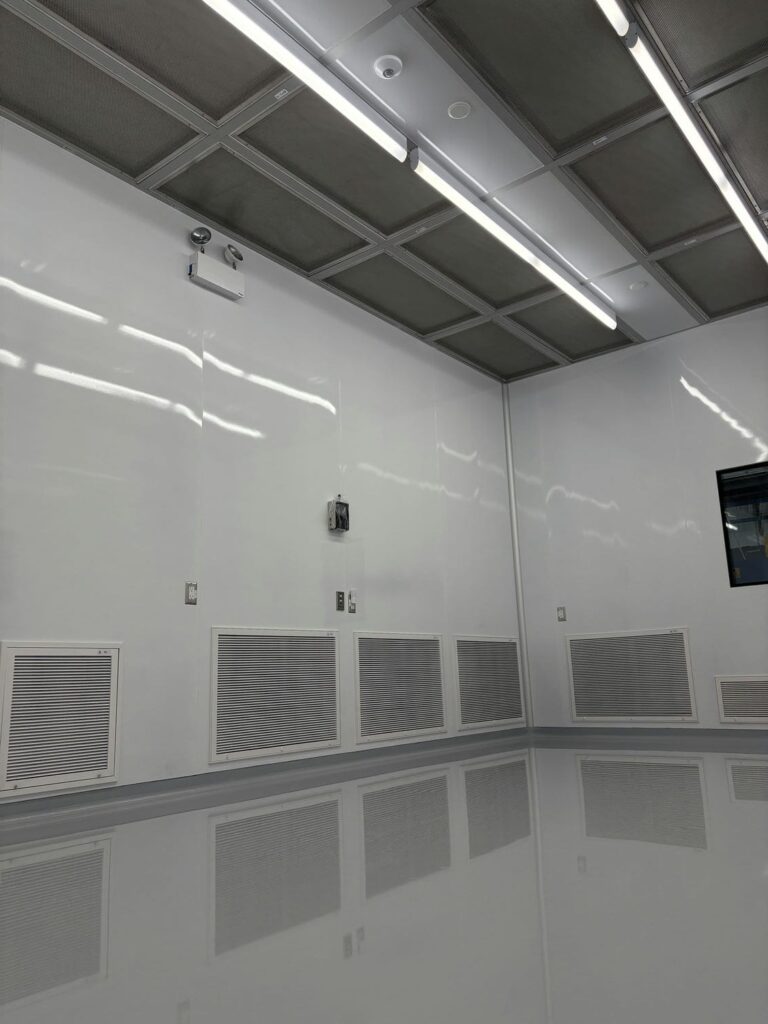
A good specification makes performance measurable and procurement comparable. It also helps operations by clarifying what “normal” looks like across the filter’s life, including monitoring and replacement triggers. When specs are vague, teams often discover mismatches at installation or during qualification.
Keep the specification short, but complete. Focus on the items that prevent substitutions and avoid system surprises.
Efficiency Class And Test Standard
State the efficiency class and the standard framework used to define it. This single step prevents most “apples to oranges” comparisons during tendering. It also makes it easier to align acceptance testing documentation with what you actually specified.
If you need a filter supplier to propose an equivalent, require that equivalency be demonstrated within the same standard and class framework. That keeps the decision technical instead of subjective.
Airflow, Size, And Allowable Pressure Drop
Specify the rated airflow the filter must support and any size constraints tied to terminal housings or ceiling grids. Then define allowable resistance expectations at the stated airflow, including both initial and end-of-life conditions where possible.
This is where HVAC design and filter selection intersect. If the system cannot deliver the target airflow at end-of-life resistance, the room can drift out of its intended operating range long before anyone notices a problem.
Housing, Sealing Method, And Installation Details
Filtration performance depends on sealing, not just media. Include the required sealing approach and compatibility with the housing or terminal unit design. Specify practical installation details that affect leakage control and serviceability.
You should also consider how filters will be accessed and replaced safely. A specification that ignores maintenance access can create future contamination risk during change-outs and can extend downtime.
Acceptance Testing And Documentation Requirements
Define what acceptance testing is required after installation and after changes, and what documentation must be provided at turnover. This reduces ambiguity during commissioning and supports a cleaner handover from project to operations.
Align documentation requirements with your quality system so the records produced match how you manage change control, requalification, and routine maintenance evidence.
Testing, Monitoring, And Replacement Planning
Testing and monitoring are the bridge between design intent and real operating control. Even a well-selected filter class can become a performance risk if monitoring is weak or replacement planning is reactive. A good plan keeps airflow stable while controlling downtime.
The goal is predictable operation. You want fewer surprises, fewer urgent replacements, and fewer post-change airflow corrections.
Integrity Testing After Installation And After Changes
After installation, integrity verification confirms that filters and housings do not bypass air and that the installation meets the intended performance. After changes, retesting supports change control and provides confidence that the system still protects the process as intended.
This is especially important when you change filter class, housings, or sealing methods. Small installation differences can have outsized effects at terminal filters in critical environments.
Differential Pressure Monitoring And Trending
Differential pressure monitoring across filter stages provides early warning of loading and helps you plan replacements before airflow becomes unstable. Trending is more useful than single readings because it shows how quickly loading is progressing and whether something abnormal is happening upstream.
When you trend dP, you can also identify operational causes of early loading, such as poor prefiltration, construction activity, or process changes. That can reduce costs by addressing the cause rather than replacing final filters more frequently than needed.
Replacement Triggers And Operational Planning
Replacement strategy should be condition-based where possible, using dP trends, airflow performance, and risk assessment. Fixed calendar replacement can work in stable environments, but it can also cause unnecessary changes or miss early loading in high-risk conditions.
Plan replacements around downtime windows and spares strategy. A smooth program includes the right inventory, clear procedures, and a verification plan that confirms airflow and pressurisation targets after changes.
Common Mistakes When Comparing Or Upgrading HEPA And ULPA Filters
Most filtration problems are not caused by a bad filter. They are caused by unclear specifications, under-planned HVAC capacity, and upgrades that do not account for end-of-life resistance. These mistakes tend to show up months later as airflow drift and unstable room behaviour.
Avoiding these issues is usually cheaper than fixing them after the fact.
Comparing Ratings Without Confirming The Standard
“HEPA” and “ULPA” labels can hide important differences if you do not confirm the test framework and class definition used. Two filters can both be described as HEPA while meeting different class requirements, which creates risk in procurement and qualification.
A clear specification solves most of this. It forces a like-for-like comparison and reduces the chance of substitutions that only become obvious during commissioning.
Ignoring End-Of-Life Resistance In Fan And Airflow Design
Sizing fans and controls for initial resistance only is a common reason for airflow drift. As the filter loads, the system may no longer hold the intended airflow and pressure relationships. This can reduce recovery performance and change contamination risk at the process point.
Designing for end-of-life resistance and planning monitoring helps keep room performance stable through the filter lifecycle. It also reduces emergency maintenance and reduces time spent rebalancing.
Retrofitting Higher-Resistance Filters Without Checking System Capacity
A filter upgrade can push an existing system past its available static pressure margin. The result can be lower airflow, difficulty maintaining pressurisation, or forced changes to operating setpoints. In the worst cases, teams discover the issue only after installation, when production constraints limit options.
Before upgrading filters, confirm fan capacity, control range, and the impact on airflow at end-of-life resistance. This keeps the project within a predictable scope and reduces surprise costs.
Skipping The Filtration Stack Strategy
If upstream filtration is weak, final filters load quickly and create a recurring pressure drop problem. Teams then replace final filters more often and still struggle with airflow stability. This pattern can become expensive and disruptive.
A staged filtration strategy is usually the simplest way to reduce loading, extend final filter life, and stabilise operating conditions. It is also easier to defend because it addresses the cause of loading rather than reacting to the symptom.
Get Help Selecting HEPA Or ULPA Filtration For Your Cleanroom HVAC System
Filter selection is not just a purchasing decision. It is an HVAC performance decision that affects airflow stability, energy use, maintenance frequency, and the ease of maintaining your cleanliness target over time. If you want fewer surprises at commissioning and fewer airflow issues six months later, the selection and specification need to match the system’s real capacity and operating constraints.
ACH Engineering supports HEPA and ULPA selection as part of integrated controlled environment delivery, including in-house architectural, mechanical, HVAC, and electrical engineering, experience delivering ISO- and GMP-aligned environments, and practical commissioning support that ties filtration decisions to airflow and monitoring outcomes.
Start with controlled environment engineering support. Or, if you are planning a new project or a retrofit where filtration interacts with layout, construction, and installation sequencing, we can also support end-to-end cleanroom solutions.
Frequently Asked Questions
Not always. ULPA can make sense when the process risk and requirement demand higher filter efficiency, but it can also increase pressure drop and reduce HVAC margin if the system is not designed for it.
The main difference is efficiency class. ULPA generally targets a higher efficiency category than HEPA, which can change pressure drop, installation sensitivity, and lifecycle behaviour in cleanroom HVAC.
Higher efficiency often comes with higher resistance, especially at a given airflow. That resistance affects fan sizing, energy use, airflow stability, and how well the system can maintain performance as filters load.
Sometimes, but not automatically. You need to confirm housing compatibility, sealing approach, rated airflow, and available static pressure capacity before treating a ULPA upgrade as a drop-in replacement.
Specify the test standard and efficiency class, rated airflow, allowable initial and end-of-life resistance expectations, sealing method, and required acceptance testing and documentation.
Replacement is usually condition-based using differential pressure trending, airflow performance, and risk. Some facilities also use time-based intervals, but trending helps avoid unnecessary changes or late replacements.
After installation and after changes, integrity verification and confirmation of airflow and pressurisation performance are commonly expected within a cleanroom qualification and change control approach.
GET IN TOUCH
Complete the form below to get in touch with our team.