
ISO 14644-2 Explained: Building A Practical Cleanroom Monitoring And Requalification Plan
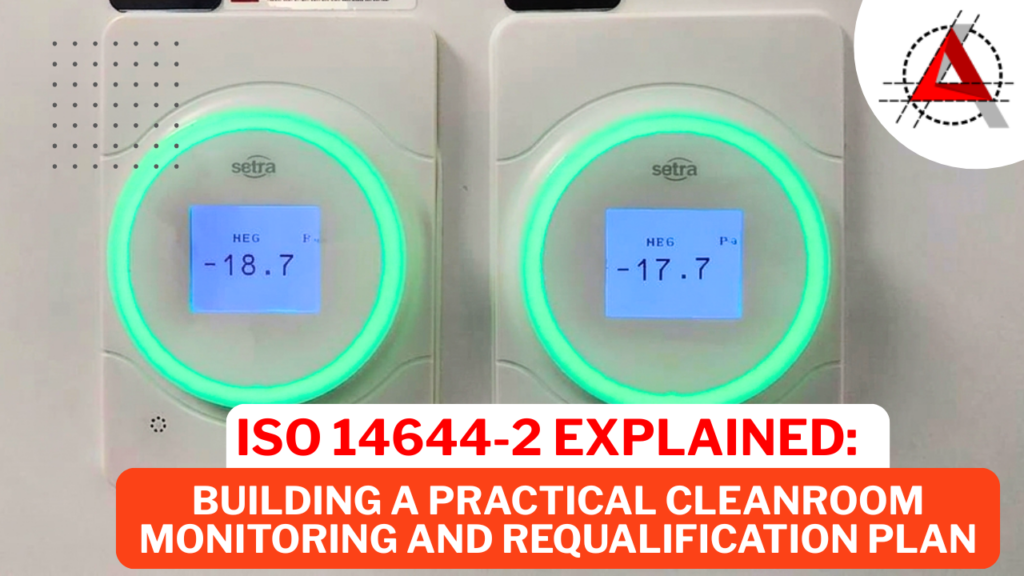
ISO 14644-2 is the cleanroom standard that helps you build a monitoring plan that shows ongoing performance over time, not just on a one-day classification test. A practical plan defines what you monitor, where you monitor it, what limits matter, how you respond to drift, and when you requalify after changes. If you need a plan that fits your room design, your process risk, and your QA expectations, our cleanroom engineering services team can help you scope it correctly from day one.
Most monitoring programs fail for predictable reasons. Teams collect too much data without clear actions. They monitor easy locations instead of risk locations. They requalify on a calendar, but miss change-driven triggers, so problems show up as surprises.
What ISO 14644-2 Is And Why It Matters
ISO 14644-2 exists to help you maintain control after a cleanroom has been designed, built, and classified. It pushes teams toward a living program: monitor what matters, review it, respond to drift, and update the plan when the room or process changes. That is what makes monitoring valuable.
If you treat monitoring as “take particle counts because someone asked,” it becomes busy work. If you treat it as an operating control tool, it becomes a way to catch problems early and reduce requalification surprises.
What ISO 14644-2 Covers
ISO 14644-2 focuses on how to plan monitoring so you can demonstrate continued cleanroom performance related to airborne particle cleanliness. It is centred on the logic of a plan: what you measure, where you measure, how often you measure, and how you decide whether performance is stable.
In practical terms, the standard encourages a risk-based approach. A stable room with low-risk operations should not need the same monitoring intensity as a high-risk space with frequent interventions and high traffic.
What ISO 14644-2 Does Not Cover
ISO 14644-2 is not a maintenance manual. It will not tell you how to rebuild a fan, how to choose filter brands, or how to run your full reliability program. It also does not replace the need for microbial environmental monitoring where that is required by your industry and quality system.
It also does not give a universal schedule that works for every facility. Your monitoring plan needs to match your room design, your process risk, your operating states, and your change control realities.
Who Uses ISO 14644-2 And Why
ISO 14644-2 is used wherever a cleanroom must stay consistent over time. That includes pharmaceutical and biotech operations, medical device manufacturing, laboratories, and other controlled environments where drift can impact quality, safety, or uptime.
Even outside regulated industries, a monitoring and requalification plan helps protect investment. It reduces performance surprises, lowers rework, and makes facility decisions easier because you can point to trends instead of opinions.
Monitoring Vs Classification Vs Requalification
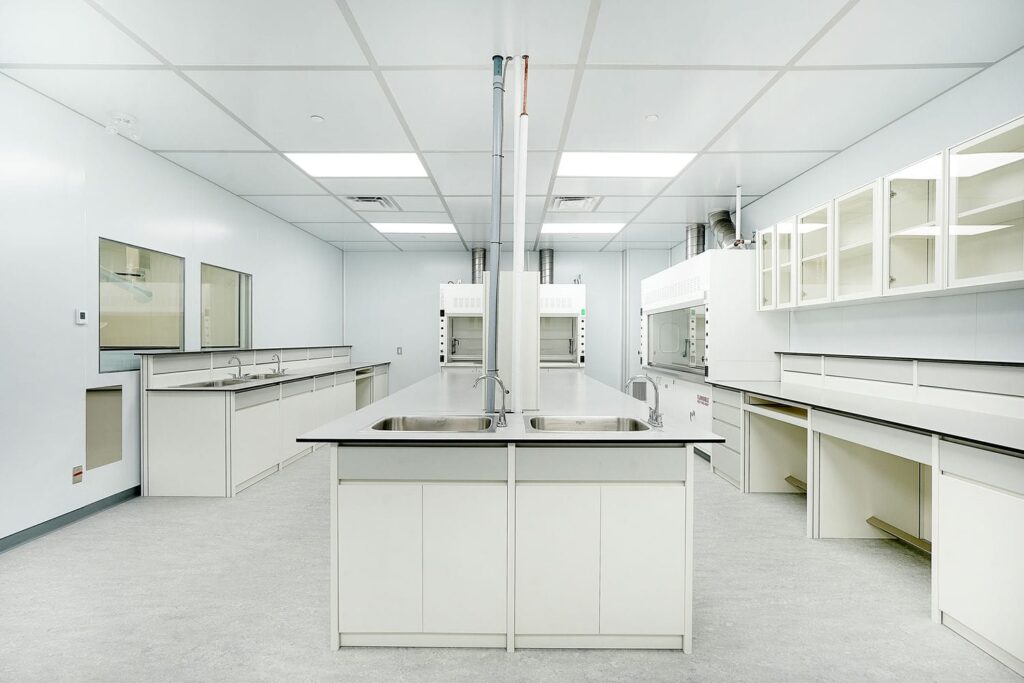
These terms get mixed up because they all involve “testing.” The difference is purpose. Classification tells you what the room is at a point in time against a class. Monitoring tells you how it behaves over time. Requalification confirms the room still meets the required state on a schedule and after meaningful changes.
If you align these definitions early, your program becomes easier to defend. You also avoid the common failure mode where people assume monitoring data is “the same as classification,” or where requalification happens without a clear trigger framework.
The Definitions That Prevent Confusion
Monitoring is the ongoing collection and review of data to show continued performance and to detect drift. It should be tied to clear actions and escalation paths.
Classification is a structured assessment against an ISO class specification, typically performed under defined conditions. It is a snapshot that supports a defined claim about the space at that time.
Requalification is periodic and event-driven verification that confirms the room remains capable of meeting its intended performance, including after changes. Many teams use the word “certification” for third-party testing reports, but the important point is aligning what that report covers with your internal monitoring and requalification needs.
Aligning these definitions with broader cleanroom certifications and regulations helps teams use consistent terminology across ISO and regulatory expectations.
Where This Fits With IQ OQ PQ And Validation
Monitoring does not replace qualification. It supports continued control after qualification. IQ/OQ/PQ establishes your documented baseline. Monitoring keeps you from drifting away from that baseline. Requalification is the checkpoint that confirms you still meet what was established, especially after change.
Understanding how cleanroom commissioning, qualification, and validation phases connect helps teams define where ongoing monitoring and requalification responsibilities begin.
Monitoring Plan Elements At A Glance
| Plan Element | What It Answers | Practical Example |
| What To Monitor | What signals performance and drift | Particle counts, differential pressure, key HVAC status |
| Where To Monitor | Where risk is highest and where background is represented | Critical work zones, doorways, representative room points |
| How Often | How quickly you need to detect drift | Higher frequency in high-risk zones, reduced frequency in stable zones |
| Limits | What requires attention vs action | Alert and action levels aligned to quality system |
| Response | What to do when drift occurs | Investigation steps, escalation, corrective action |
| Review | Who looks at trends and when | Daily checks for alarms, weekly or monthly trend review |
| Requalification Triggers | When monitoring is not enough | HVAC changes, filter changes, layout changes, recurring excursions |
What A Monitoring Plan Needs To Include
A monitoring plan works when it is specific enough to drive action, but simple enough that teams actually follow it. The plan should reflect your risk profile and operating conditions, not an idealised test environment that never happens in production.
A strong plan also has boundaries. It should clearly define what is monitored routinely and what is verified through periodic requalification. That prevents teams from turning routine monitoring into a never-ending “test everything” cycle.
Risk Assessment And Intended Use
Start with what the cleanroom is protecting. That might be product, sterile connections, critical instruments, or sensitive materials. Then identify the main contamination sources: people, material transfer, equipment heat loads, process steps, and cleaning activities.
A practical risk assessment does not need to be complex. It needs to be honest. If your biggest contamination risk happens during interventions at a critical work zone, that is where monitoring logic should concentrate. If your biggest risk is pressure instability due to shared corridors and frequent door cycles, that risk should shape your plan as well.
What To Monitor
Airborne particle concentration is usually the headline metric because it connects directly to ISO air cleanliness. However, particle results become much more useful when they are paired with supporting parameters that explain why the room behaves the way it does.
Supporting parameters commonly include differential pressure, key airflow or HVAC operating status indicators, and temperature and humidity where they influence process stability or comfort-driven behaviour. The goal is not to monitor everything. The goal is to monitor the few things that give you early warning of drift and help you diagnose cause without guessing.
Where To Monitor
Monitoring locations should reflect both risk and representation. Risk locations sit near exposure points, critical operations, and disturbance sources like doors and traffic paths. Representative locations show the overall room background so you can distinguish a local issue from a whole-room shift.
Location is also three-dimensional. A point on a floor plan is not enough. Height and proximity to supply airflow and work zones matter. When you choose locations, document the rationale clearly, so future teams understand why the point exists and do not “simplify” it away.
Limits And Response Expectations
A monitoring plan without response rules becomes a data collection plan. Define what triggers attention and what triggers action. Many teams use alert and action concepts. The key is that your limits must match your quality system and your operational reality.
Response steps should be specific and achievable. If a limit is exceeded, define who is notified, what gets checked first, what gets documented, and what conditions require escalation. This is what turns monitoring from a chart into control.
Step-By-Step: Building A Practical ISO 14644-2 Monitoring Plan
A practical plan can be built in a structured way without turning into a lengthy standards project. The steps below are designed to fit real cleanroom operations, including shifts, campaigns, cleaning cycles, and change control.
If you do this well once, maintenance becomes easier. Your plan revisions become a normal part of operational governance instead of a scramble after a deviation.
Step 1: Define Room States And Operating Conditions
Start by defining the room states you care about. Many cleanrooms behave differently at rest and in operation. They can also behave differently during shift start-up, cleaning, maintenance access, or set-back modes. If you do not define these states, teams end up comparing unlike conditions and drawing the wrong conclusions.
Define what “normal” looks like in your facility. That might include typical staffing, typical door usage, equipment operating modes, and common interventions. Your monitoring plan should reflect how the room is actually used, not how it is used during a quiet test window.
Step 2: Build A Location Map That Matches Risk
Build a monitoring map that shows critical zones, traffic paths, doors, and material transfer points. This is where risk-based thinking becomes visible. If you cannot point to a location on a map and explain why it matters, you likely have too many points or the wrong points.
Keep the map usable. Most teams benefit from a simple plan view with height notes. The key is being clear enough that different staff members can repeat sampling and interpret results consistently.
Step 3: Choose Instrumentation And Methods That Hold Up In Practice
Decide whether you need fixed monitoring, portable monitoring, or a combination. Fixed monitoring can provide continuous awareness, but it requires thoughtful placement and ongoing maintenance. Portable monitoring is flexible, but it can create inconsistency if methods and timing vary across operators.
Define calibration and care expectations. Monitoring data only helps if it is reliable. It also helps to standardise method details: sample duration, location height, room state definition, and how data is recorded.
Step 4: Set Frequency Using Risk And Trends
Frequency should be justified by risk and supported by trend behaviour. Higher-risk points with higher variability usually need more frequent monitoring. Stable points with low variability may justify less frequent checks, especially if supporting parameters like pressure and HVAC status are stable.
Align frequency with operations. A plan that requires monitoring when the room is never in a defined state will be ignored. Choose frequencies and timing that fit shifts, campaigns, and cleaning cycles, then document those assumptions so they remain consistent.
Step 5: Define Data Review, Trending, And Reporting
Decide who reviews what, and how often. Some signals should be immediate, such as pressure alarms or critical excursions. Other signals are best reviewed as trends, such as slow particle drift or gradual pressure changes over weeks.
Define reporting expectations that match your governance. That might include a weekly or monthly trend summary, and a clear approach to documenting investigations. The goal is to make review routine, not special.
Step 6: Plan Periodic Review And Revision
A monitoring plan should not be static. Set a planned review cadence that matches risk and operational change frequency. Then define revision triggers such as process changes, recurring excursions, layout changes, or HVAC modifications.
When you revise the plan, update the rationale, the map, and the response steps. This keeps the document aligned to reality and reduces the risk of maintaining a plan that no longer matches how the room runs.
Requalification Planning That Does Not Derail Operations
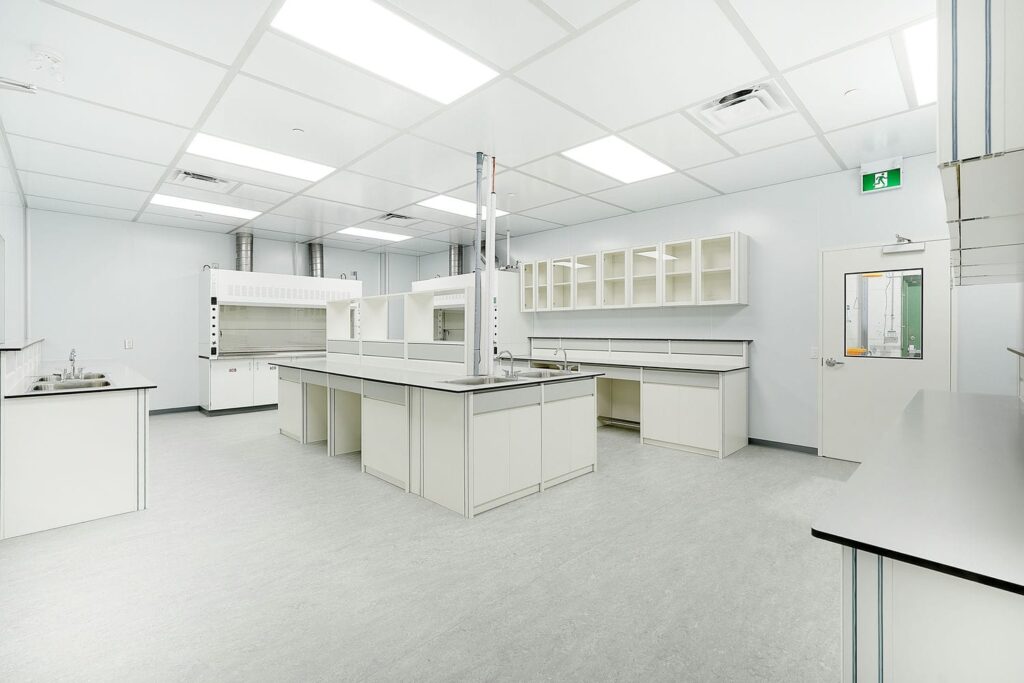
Requalification becomes painful when it is treated as an event that interrupts operations without preparation. A strong plan makes requalification predictable. It defines routine intervals, defines event-driven triggers, and links requalification scope to the change that happened.
When monitoring and requalification work together, you reduce disruption. Monitoring helps you identify drift early. Requalification confirms the room remains capable and defensible after change.
What Requalification Typically Includes
Requalification typically includes verification activities that confirm the cleanroom still meets its intended performance. Depending on the room type, this may include classification verification, filter integrity-related verification, airflow and pressure relationship checks, and other performance evidence tied to your intended use.
The key is to define what “requalification” means for your site. If your requalification package is unclear, teams either do too little and get audit findings, or do too much and waste time and downtime.
Routine Interval Vs Event-Driven Requalification
Routine requalification is your planned checkpoint. It is scheduled and resourced. It should be based on risk and supported by performance history. A stable room with strong monitoring and low change frequency can often justify a different approach than a high-change, high-risk space.
Event-driven requalification is what protects you when the room changes. HVAC adjustments, filter changes, layout changes, or process changes can shift performance. The plan should define which changes trigger requalification and what scope is expected so decisions are consistent.
Requalification Triggers To Put Into Change Control
Build a trigger list into change control so it is not dependent on memory. Common triggers include HVAC setpoint or sequence changes, filter replacement, construction or maintenance near the space, layout changes that alter airflow paths, and process changes that increase occupancy, heat load, or particle generation.
Make the triggers actionable. For each trigger category, define whether you need increased monitoring, partial requalification, or full requalification. This helps teams respond quickly and reduces debate when a change request arrives.
Making Monitoring Data Useful In The Real World
Monitoring data is only useful when it drives decisions. That means you need context, trending, and a practical workflow for investigation. A single elevated particle event can be noise or it can be the first sign of drift. Without context, teams either overreact or ignore early warning.
The goal is to identify drift early, connect it to a cause, and correct it before it becomes a deviation, downtime, or audit finding.
How To Interpret Drift Before It Becomes A Deviation
Start by looking for patterns. Does drift appear after a filter change, after a new process step, or during a specific shift? Does it correlate with pressure instability, door activity, or cleaning cycles? Small shifts often matter more than isolated spikes because they suggest a system change rather than a one-off event.
Trend review should include operational notes. Maintenance logs, cleaning schedules, and changes in staffing or workflow can explain why the environment behaves differently. When you pair particle trends with operational context, you reduce time spent guessing and increase the quality of corrective actions.
Align Monitoring With Airflow Behaviour
Particles do not move randomly. They move with airflow and with people and materials. If a monitoring point trends upward, you often need to confirm what airflow is doing at that location, especially near critical work zones and doorways.
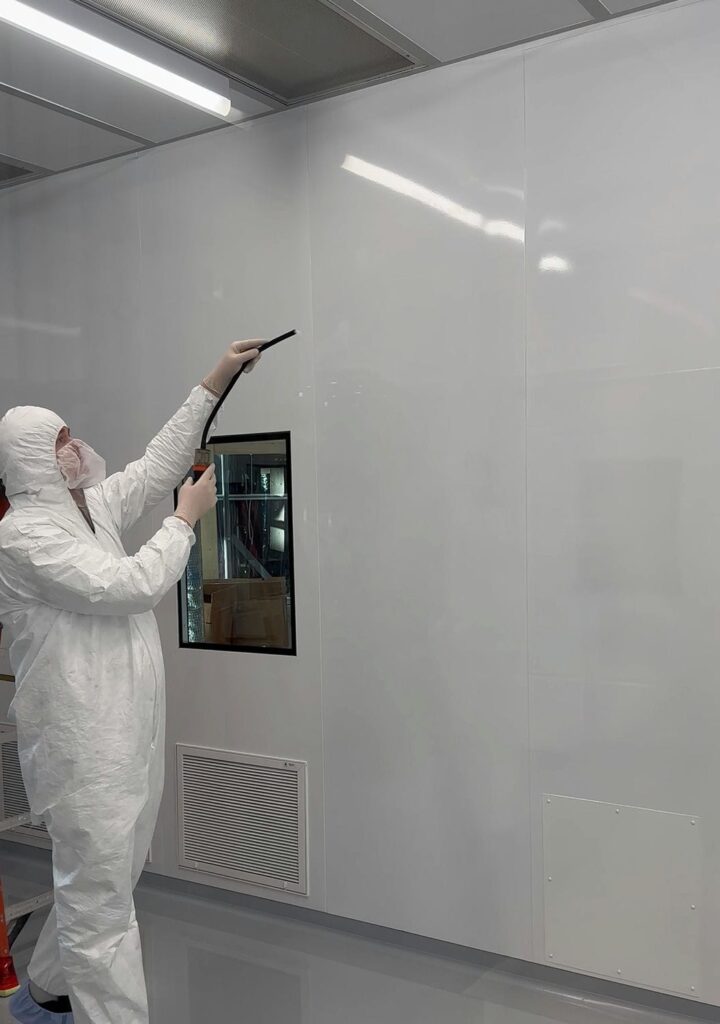
Airflow visualization can be a practical tool when you need to explain a pattern, confirm protection at a critical zone, or validate corrective actions that change layout or workflow. Smoke studies and airflow visualization can provide the visual evidence needed to connect particle trends to airflow behaviour during investigations.
Response Workflows That Work Under Pressure
Define a response workflow that fits real operations. Start with containment actions if needed, then move into investigation steps that check the most likely causes first. For many facilities, that means checking pressure stability, HVAC status, and recent changes before escalating to broader interventions.
Keep escalation clear. Define who owns the first response, who owns root cause analysis, and who approves corrective actions. A fast response is important, but a consistent response is what prevents repeat issues.
Documentation And Roles That Make The Plan Stick
Monitoring plans fail when they are written as documents, not as operating systems. The plan should be integrated into roles, SOPs, training, and change control. That is what turns a “standard requirement” into a program that prevents problems.
If your plan relies on one person’s knowledge, it will weaken over time. If your plan relies on controlled documents and clear ownership, it becomes durable.
The Core Documents To Maintain
A workable documentation set includes the monitoring plan itself, a controlled revision history, a monitoring location map with rationale, SOPs for sampling and response, and defined review records that show trending is happening. Calibration records and instrument control records support the credibility of the data.
When documents are maintained, investigations are faster. You can compare current performance to prior baselines, and you can show auditors and clients how the plan has evolved with the space.
Roles And Accountability
Monitoring requires cross-functional ownership. Facilities and engineering typically own HVAC stability, pressure control, and maintenance. QA typically owns limits, deviation handling, and change control governance. Operations owns behaviours that influence performance, such as gowning, cleaning execution, door discipline, and workflow adherence.
When these roles are clear, monitoring becomes a shared control system instead of a blame exercise. That is especially important after changes, when quick alignment prevents drift from becoming a long investigation.
Regulated Operations: How ISO Monitoring Aligns With GMP Expectations
In regulated sterile environments, monitoring and requalification sit alongside qualification and ongoing verification expectations. The goal is not to “pass a test.” The goal is to maintain a state of control that is repeatable and defensible as processes, people, and equipment change.
Health Canada’s sterile drug GMP guidance discusses cleanroom qualification, operational environmental monitoring, and periodic requalification expectations as part of maintaining control in sterile manufacturing environments.
A structured approach to cleanroom validation connects monitoring, requalification, and ongoing control within a single governance framework.
Common Monitoring And Requalification Mistakes
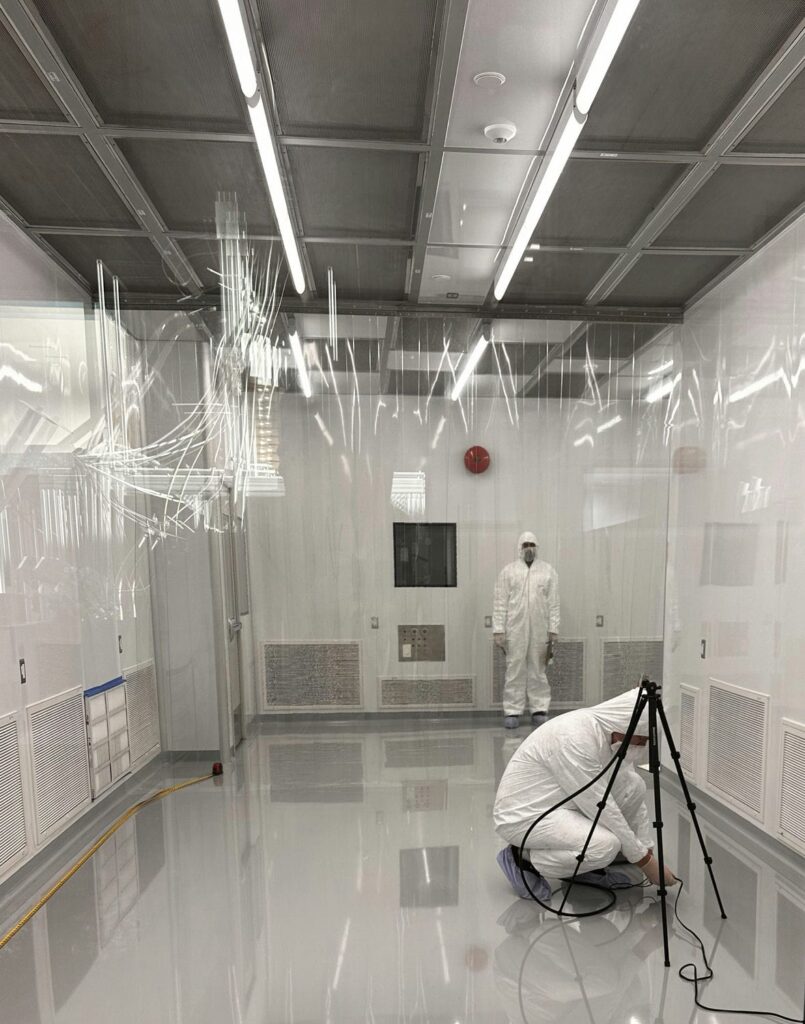
Most issues come from two extremes: monitoring too much without review, or monitoring too little at the wrong locations. The fix is usually a tighter risk rationale, clearer limits, and a workflow that makes review routine.
Requalification issues often come from treating it as a calendar event only. A strong program treats requalification as both routine and change-driven.
Monitoring Too Much, Then Reviewing Too Little
Large monitoring programs can generate a lot of numbers and very little insight. If review is inconsistent, drift can hide inside a spreadsheet. Teams then discover problems late, after performance has already shifted.
A better approach is to choose fewer, better points and define a review cadence that is realistic. When review is routine, response becomes faster and more consistent.
Missing Critical Locations
Some programs monitor only background locations because they are easy to access and repeat. That can miss the points where risk is highest, such as exposure points, doorways, and traffic paths. The result is a monitoring program that looks complete but does not protect the process.
A risk-based map fixes this. When you choose locations based on workflow and disturbance sources, your data becomes more predictive and more actionable.
Treating Requalification As A Calendar Event Only
Calendar-based requalification alone can miss change-driven performance shifts. HVAC tuning, filter changes, layout changes, or process changes can affect performance long before the next scheduled checkpoint.
A trigger-based approach strengthens control. When change control includes requalification triggers, you re-test what matters when it matters, without over-testing stable systems.
Data Without Context
Data without context leads to slow investigations and inconsistent corrective actions. If particle drift is not connected to pressure stability, HVAC status, maintenance activity, and operational behaviour, teams end up making assumptions.
Integrate context into your program. Use trend review notes, maintenance logs, and operational events to interpret the data, then use that evidence to drive corrective actions and plan updates.
Build A Monitoring And Requalification Plan That Holds Up In QA Review
ISO 14644-2 becomes practical when you translate it into a plan your team can execute: risk-based locations, clear limits, defined response steps, and requalification triggers that fit change control. The payoff is fewer surprises, faster investigations, more predictable requalification, and an easier QA review path because the logic is documented and consistent.
ACH Engineering supports cleanroom monitoring and requalification planning with integrated in-house engineering across architectural, mechanical, HVAC, and electrical disciplines, experience delivering ISO- and GMP-aligned environments, and practical lifecycle support that connects monitoring results to engineering fixes. If you want a monitoring plan that fits your intended use and remains defensible as your facility changes, start with our cleanroom engineering services.
Frequently Asked Questions
ISO 14644-2 guides how to create and maintain a monitoring plan that demonstrates continued cleanroom performance over time, including what to monitor, where to monitor, limits, response actions, and how to review and revise the plan.
No. ISO 14644-1 is used for classification against an ISO class. ISO 14644-2 focuses on monitoring and requalification planning to support continued performance after classification.
A practical monitoring plan includes a risk-based rationale, defined monitoring parameters, mapped locations, limits, response steps, data review and trending roles, calibration expectations, and a defined review and revision cycle.
Choose locations based on risk and workflow. Include critical locations near exposure points and disturbance sources, plus representative background points, and define each location by position and height so methods remain repeatable.
Requalification frequency should be risk-based and supported by monitoring results and performance history. It should also include event-driven triggers for changes that can affect airflow, pressure control, filtration, layout, or operating conditions.
Common triggers include HVAC setpoint or sequence changes, filter replacement, construction or major maintenance near the room, layout changes that affect airflow paths, recurring excursions, and process changes that increase occupancy or particle generation.
They can be useful when airflow behaviour at critical locations is a key risk driver or when investigations require visual evidence to explain particle trends and confirm corrective actions.
GET IN TOUCH
Complete the form below to get in touch with our team.